We fund translational research to move knowledge as quickly as possible from basic discovery to treatment of patients.

Since 2002, LUNGevity has invested in 200 research projects at 69 institutions in 24 states and the District of Columbia, for a total of $55,743,471.02.

Career Development Award

This grant was funded in part by The Huff Project

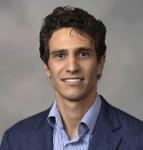
Joshua Reuss, MD
Joshua Reuss, MD
Georgetown University, Washington, DC
Combination checkpoint blockade plus VEGF inhibitor in EGFR-mutated NSCLC

Osimertinib is the standard of care for treating non-small cell lung cancer with EGFR mutations. Unfortunately, the tumors inevitably develop resistance to osimertinib. Currently, very few treatment options exist for patients whose cancers have become resistant to osimertinib. Dr. Reuss is conducting a phase 2 clinical trial to test whether two immunotherapy drugs, atezolizumab and tiragolumab, given with a VEGF inhibitor, bevacizumab, are effective in controlling EGFR-positive NSCLC that has become resistant to osimertinib.


Veterans Affairs Research Scholar Award

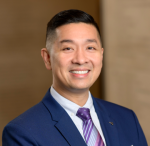
Alex Bryant, MD
Alex Bryant, MD
University of Michigan/VA Ann Arbor Healthcare System, Ann Arbor, MI
Predicting clinical benefit of immunotherapy in veterans

This study will use data from the Veterans Affairs system to develop statistical models to predict response to immunotherapy in patients with lung cancer. While immunotherapy has improved outcomes for many patients, it is still not well understood why some respond well and others do not.  If successful, this work will produce a comprehensive prediction model of immunotherapy benefit in lung cancer that could be used to counsel patients, inform patient-physician decision making, and identify patients who need more- or less-aggressive treatment.


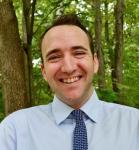
Lucas Vitzthum, MD
Lucas Vitzthum, MD
Stanford University/VA Palo Alto, Palo Alto, CA
Isotoxic hypofractionation to personalize radiation for NSCLC

The purpose of this study is to develop and evaluate a method for personalized radiation therapy in patients with locally advanced NSCLC. Patients will be assessed regarding their expected risk of treatment toxicity, and those at lower risk will be treated in a fewer number of treatments with a more intensified dose of radiation. If successful, this could be used to inform optimal radiation treatment protocols as well as potentially reduce treatment and financial burden for patients, with a major impact on quality of life.


Partner Awards

ALK Positive/LUNGevity Lung Cancer Research Awards

Trever Bivona, MD, PhD
University of California, San Francisco, San Francisco, CA
Defining and novel therapeutic targeting of ALK fusion protein granules

Currently available ALK inhibitors are an effective treatment for lung cancer, but tumors can development treatment resistance. In this project, Dr. Bivona will explore a novel way to treat ALK-positive lung cancer by targeting “membraneless cytoplasmic protein granules,” a new mechanism of signaling in ALK-positive lung cancer. His team will use precision medicine approaches that are complementary to current ALK inhibitors and that could improve their efficacy as well as quality of life for patients. 


ALK Positive/LUNGevity Lung Cancer Research Awards

Roberto Chiarle, MD
Roberto Chiarle, MD
Boston Children’s Hospital/Harvard Medical School, Boston, MA
Development of ALK-specific TCR-T cells for the eradication of ALK+ NSCLC

In this project, Dr. Chiarle and his team will generate T cells that have engineered receptors, called TCR receptors (TCR-T cells), that will selectively target and attack the ALK protein that is expressed by tumor cells. Generation of such cells could be a powerful tool to eradicate ALK+ lung cancer cells and form the basis of a TCR-T cell-based clinical trial for patients with TKI-resistant ALK+ NSCLC.


ALK Positive/LUNGevity Lung Cancer Research Awards

Angel Qin, MD
Angel Qin, MD
University of Michigan, Ann Arbor, MI
Gilteritinib for lorlatinib-resistant ALK NSCLC

Lorlatinib is currently the only approved treatment for patients with ALK-positive NSCLC whose cancers have progressed on prior ALK drugs, and for those whose tumors develop resistance, there is a lack of other treatment options other than chemotherapy. In this study, Dr. Qin will evaluate a novel drug called gilteritinib as a treatment in patients with ALK-positive NSCLC whose tumors have developed a resistance to lorlatinib.


Partner Awards

RETpositive / LUNGevity Foundation Lung Cancer Research Award

Alexandre Reuben, PhD
University of Texas MD Anderson Cancer Center, Houston , TX
T cell receptor engineering for the treatment of RET fusion-positive NSCLC

Despite advances in the development of RET inhibitors, patients with RET fusions eventually progress. Immunotherapy has been inefficient in patients harboring RET fusions. However, RET fusion proteins themselves may be immunogenic and give rise to an immune response. Dr. Reuben hypothesizes that RET fusions give rise to immunogenic antigens which can be effectively recognized and targeted by engineered T-cells. This project will identify which antigens can elicit an immune response. This information will be used to engineer customized T-cells to gain the ability to recognize those cancer cells that produce these RET fusion proteins. The ultimate goal is to offer new therapeutic alternatives by expanding the possibility of immunotherapy treatment in the overwhelming majority of NSCLC patients harboring RET fusions.


RETpositive / LUNGevity Foundation Lung Cancer Research Award

Hideo Watanabe, MD, PhD
Icahn School of Medicine at Mount Sinai, New York, NY
Targeting lineage plasticity to suppress DTP in RET-positive lung cancer

Despite an initial response to the newly approved RET inhibiting drugs, most RET-positive lung cancers become resistant to these drugs and the cancers relapse. Dr. Watanabe’s project will provide anti-relapse therapeutic strategies for RET-positive lung cancer that target newly identified “drug-tolerant persisters (DTPs)”. DTPs are a small population of cancer cells that do not respond to these drugs and therefore start growing, leading to the relapse of these cancers. The role of DTPs in RET-positive lung cancer is not well understood. Dr. Watanabe proposes therapeutic strategies, such as targeting the Wnt and Hippo signaling pathway to overcome the DTP adaptability and prevent relapse before these cells arise.


The Hamoui Foundation / LUNGevity Lung Cancer Research Award

Alexander Drilon
Alexander Drilon, MD
Memorial Sloan Kettering Cancer Center, New York, NY
Identifying non-genomic mechanisms of RET TKI resistance

Many RET-positive cancers become resistant to targeted therapy for reasons not clearly based on genetic changes alone. Dr. Drilon predicts that other causes of resistance include (1) chemical changes (in the “epigenome”) that turn cancer-causing genes on or off and (2) changes in how these cancers look under the microscope (“histology”) that affect cancer behavior. Because these changes affect cell states rather than mutations, this resistance is potentially reversible, defining a key opportunity to maintain, restore, and extend sensitivity to potent and specific RET inhibitors.


The Hamoui Foundation/LUNGevity Lung Cancer Research Award Program

John V. Heymach, MD, PhD
John Heymach, MD, PhD
The University of Texas MD Anderson Cancer Center, Houston , TX
Novel structure-based and combinatorial approaches for RET-fusion NSCLC

There is an urgent need to identify new agents or combination therapies to benefit patients whose tumors have developed resistance to current RET inhibitors. Currently, the true extent of RET-dependent (resistance mutations in the RET gene) versus RET-independent mechanisms of resistance is unknown. Dr. Heymach’s team will study mechanisms and biomarkers of RET-independent drug resistance and test different drug combinations to overcome RET inhibitor resistance.


The Hamoui Foundation/LUNGevity Lung Cancer Research Award Program

Tejas Patil
Tejas Patil, MD
University of Colorado Denver, AMC and DC, Denver, CO
MET and EGFR as biomarkers for amivantamab in overcoming RET TKI resistance

Two possible pathways that seem to be important for resistance to RET inhibitors are the EGFR and MET signaling pathways. Conventional methods of detecting EGFR or MET resistance may not identify many cases where both pathways are involved. In this study, Dr. Patil will use several different laboratory techniques to better detect and define EGFR and MET resistance. He anticipates that the EGFR and MET pathways can be blocked by a newer drug called amivantamab, which is a bi-specific antibody that specifically targets both EGFR and MET.


Health Equity and Inclusiveness Research Fellow Award

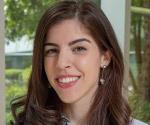
Rebecca Shulman, MD
Rebecca Shulman, MD
The Research Institute of Fox Chase Cancer Center, Philadelphia, PA
Synergistic expression of combined RT and dual-immune checkpoint blockade

Recent studies have shown that high and low dose radiation used in combination with immunotherapy have a synergistic effect in modulating the growth of satellite tumors, which are tumor cells located near the primary tumor.  In this study, Dr. Shulman proposes using an animal model of metastatic lung cancer to test the hypothesis that radiation given in repeated very low dose pulses in combination with immunotherapy can further enhance immunotherapeutic benefit in metastatic lung cancer.


Health Equity and Inclusiveness Junior Investigator Award

Narjust Florez, MD
Narjust Florez, MD
Dana-Farber Cancer Institute, Boston, MA
Young lung cancer: psychosocial needs assessment

Dr. Florez will study the psychosocial and financial impact of lung cancer in young patients (< 50 years of age).  This patient population has seen an increase in incidence in recent years, but little is known about their specific needs.  The study will include administration of a survey and focus groups to understand unmet needs of this group of patients.  The information gathered from this study will be used to identify challenges unique to this population and develop the first clinical and research program of its kind for young lung cancer patients.


Coral Olazagasti, MD
University of Miami, Miami, FL
Promoting lung cancer screening in Latinx patients with previous HNSCC

In addition to tobacco use, having a previous malignancy is a risk factor for developing lung cancer. Head and neck cancer (HNC) survivors with a history of smoking have up to a 13% risk of developing lung cancer. Dr. Olazagasti’s study will assess the awareness and eligibility of lung cancer screening in Hispanic/LatinX HNC survivors via a survey questionnaire and understand the barriers to screening via qualitative interviews. The goal of her research is to create the first lung cancer screening program tailored for and focused exclusively on Hispanic/LatinX HNC survivors.


Ana Velazquez Manana, MD
University of California, San Francisco, San Francisco, CA
Lung cancer Equity Through Social needs Screening (LETS SCREEN)

Dr. Velasquez Manana will conduct an observational study in a multiethnic group of patients with unresectable lung cancer to determine the association between social needs, care utilization, and quality of life.  The goal of this study is to fill a key knowledge gap in the care of patients with NSCLC and inform interventions to support patients at risk of social adversity during treatment to end disparities in lung cancer care.