Read time: 1 minute. LUNGevity offers a variety of virtual support groups called ‘meetups’ where survivors and caregivers impacted by lung cancer connect with others who understand
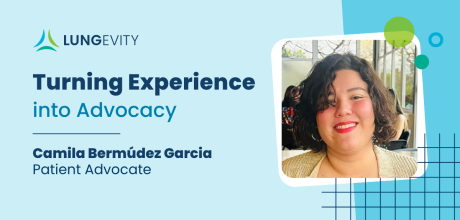
Read time: 5 minutes. Before lung cancer entered her life, 24-year-old Camila Bermudez Garcia was focused on building her future. Growing up as the oldest of three in Ponce, Puerto
How do clinical trials work? What actually happens when you enroll in one? And how do you find a trial that's right for you? In this episode, small cell lung cancer survivor Wendy
What are biomarkers, why do they matter, and what should every person living with lung cancer know about getting tested? Dr. Ross Camidge, a world-renowned thoracic oncologist and
Read time: 1 minute. LUNGevity offers a variety of virtual support groups called ‘meetups’ where survivors and caregivers impacted by lung cancer connect with others who understand
Read time: 1 minute. The LUNGevity Conversations that Count speaker series offers an opportunity to stay informed, engage in critical discussions, and learn from top experts
How do you make the most of your visits with your healthcare team? In this episode, lung cancer survivor Bill Morris shares his experience with lung cancer and how he approaches
Why does finding community matter in lung cancer care? In this episode, lung cancer survivor and advocate Jill Feldman shares her experience, from losing multiple family members to
What happens after a lung cancer diagnosis? In this first episode of LUNGevity’s Lung Cancer Voices of Hope podcast, lung cancer survivor Lisa Bistline shares her experience, from
Read time: 1 minute. This video is a recording from a LUNGevity virtual meetup. Each month, we host multiple virtual meetups for those impacted by lung cancer to meet and connect
Read time: 2 minutes. The LUNGevity Conversations that Count speaker series offers an opportunity to stay informed, engage in critical discussions, and learn from top experts
Read time: 3 minutes. Research funders are increasingly calling on researchers to move beyond studying communities to actively involving them in the research process. They want